
Essential Smart and Practical Tools to Improve Balance, Mobility, Confidence & Habits
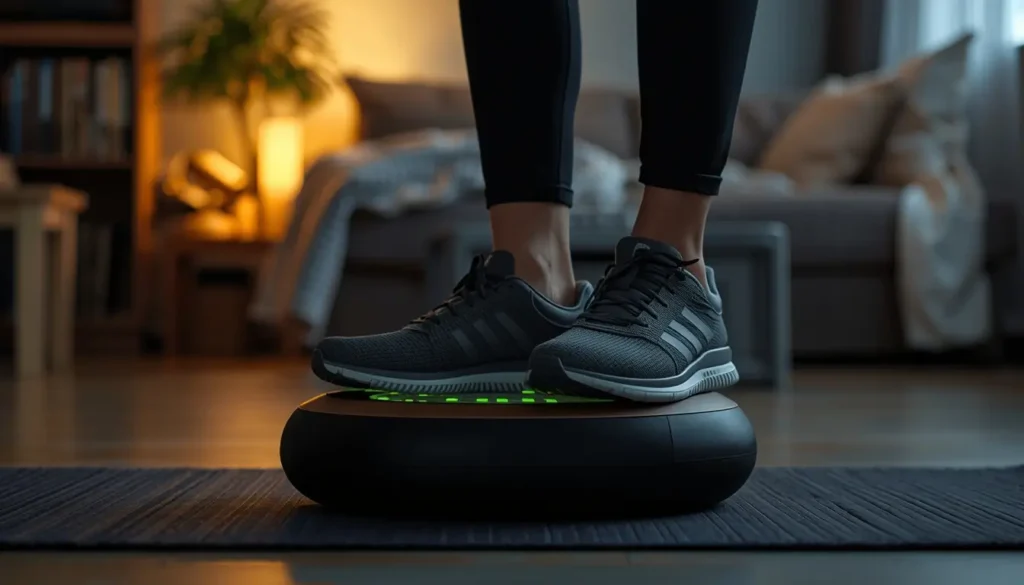
Smart tools for balance and mobility can quietly improve stability, comfort, and confidence in daily life. Guide in Essential Smart & Practical Tools to Improve Balance, Mobility, Confidence & Habits helps you choose simple upgrades that make daily life safer, easier, and more independent.
This guide covers smart and practical tools that make daily life safer, easier, and more confident after 60.
Staying balanced, mobile, and confident isn’t about doing more or trying harder. Often, it’s about small, thoughtful changes that quietly make everyday movement feel easier and more natural.
This page is a calm discovery of tools that do exactly that. Some are modern. Some are surprisingly simple. All of them share one thing in common: once you experience them, they feel almost obvious — like something life should have included already.
Many of these tools are useful after 60, but they’re just as appreciated at any age. They’re often discovered not only for personal use, but also as practical, thoughtful gifts for children, grandchildren, friends, or loved ones.
These smart and practical tools are chosen to feel simple, supportive, and realistic for everyday life.
Quiet Life Upgrades are Smart and Practical Tools That Make Everyday Movement Easier
Most improvements in balance, comfort, and confidence don’t come from dramatic changes. They come from small adjustments that remove friction from everyday movement and make your body feel more supported without effort.
Smart tools for balance and mobility are designed to reduce friction in daily movement and make confidence easier to build. If you want simple upgrades that support steadier walking, calmer routines, and safer habits, start with the option that feels most natural for you in your home.
Some people discover these tools while looking for solutions for themselves. Others come across them while searching for something genuinely useful for someone they care about. Either way, the effect is often the same: a noticeable improvement that feels simple, not forced.
How These Smart Tools Support Balance & Mobility
Balance, mobility, confidence, and daily habits are deeply connected. When one area feels unstable, it often affects the others — movement becomes cautious, routines shrink, and confidence slowly fades.
The tools on this page are not meant to replace strength, awareness, or independence. Instead, they work quietly in the background, reducing friction and hesitation so natural movement feels easier and more reliable.
Small, practical support — used consistently — often creates the biggest long-term change. These tools are most effective when seen as part of a system, not isolated fixes.Smart and practical tools work best when you choose one small upgrade and repeat it daily.
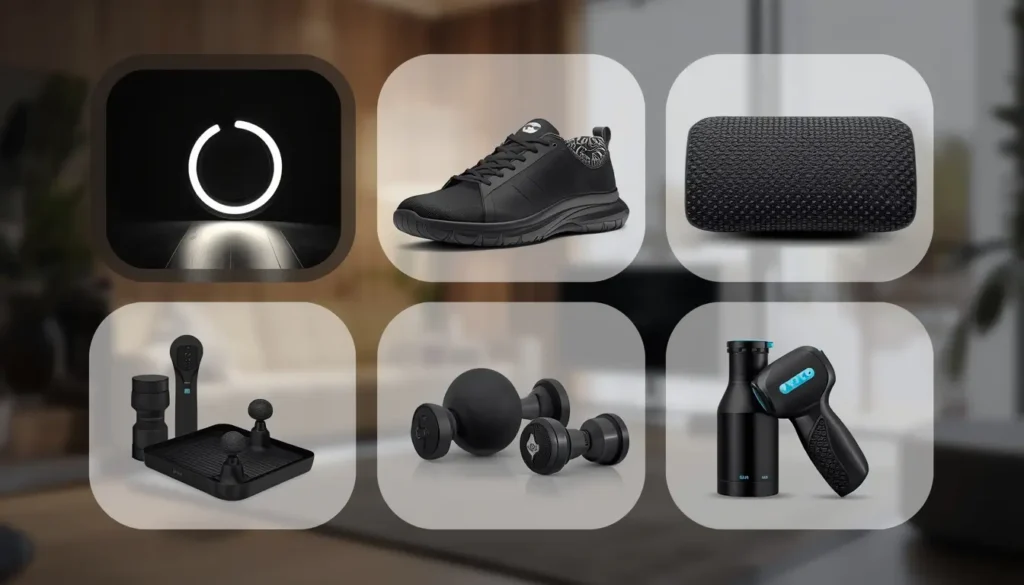
If you want the most impact with the least effort, these Essential Smart & Practical Tools to Improve Balance, Mobility, Confidence & Habits are the best place to start.
Movement Starts Before the Step (Low-Light Support)
Balance is often weakest at night, when the body is half awake and the environment is dark. In those moments, light matters — but where and how it appears matters even more.
Floor-level motion-activated lighting turns on gently when feet touch the ground, providing instant orientation without glare or disruption. Once experienced, it feels obvious: light should guide your steps, not your eyes.
Many people who add this kind of lighting notice an immediate increase in confidence during nighttime movement — not because they feel “safer,” but because they stop thinking about safety altogether.
Example: A simple floor-level motion-activated night light that turns on softly when feet touch the ground. Many versions are battery-powered or plug-in and use warm, low-intensity light designed not to disturb sleep.
Olight — explore →
Consistency Without Interruption (Power Reliability)
Movement improves when conditions remain stable. When small supports fail, hesitation returns.
Reliable backup keeps things working quietly, without drawing attention. Nothing interrupts the flow — and that’s the point.
Tenergy — explore →
How to Choose Without Overthinking
It’s easy to assume that improving balance, comfort, or confidence requires multiple tools at once. In reality, meaningful improvement often comes from one small change that fits naturally into daily life.
Start with the tool that feels most obvious to you — the one that made you think, “That would actually help.” Use it consistently and notice how movement feels over time before adding anything else.
More tools don’t necessarily lead to better results. Comfort, awareness, and confidence grow when changes are simple, repeatable, and easy to maintain.
Sometimes, the best choice is to pause and observe rather than add something new. This page exists to offer ideas, not pressure.
Frequently Asked Questions
Do I need all of these tools to see a benefit?
No. Most people notice meaningful improvement by starting with just one tool that fits naturally into their daily routine. Small, consistent changes are far more effective than trying to do everything at once.
Are these tools only for older adults?
Not at all. While many people discover these tools later in life, they’re equally useful at any age. Anyone who values comfort, stability, and confidence in movement can benefit from them.
Can these tools be useful as gifts?
Yes. Many people first encounter these tools while looking for something genuinely helpful for a family member or friend. These smart and practical tools are meant to support real life—steady steps, calmer routines, and simple confidence.Because they’re practical and not medical in appearance, they’re often appreciated as thoughtful, everyday gifts.
How long does it take to notice a difference?
Some tools feel helpful almost immediately, while others work more gradually. The key is consistency and comfort — improvements often appear quietly as movement begins to feel easier and more natural.