
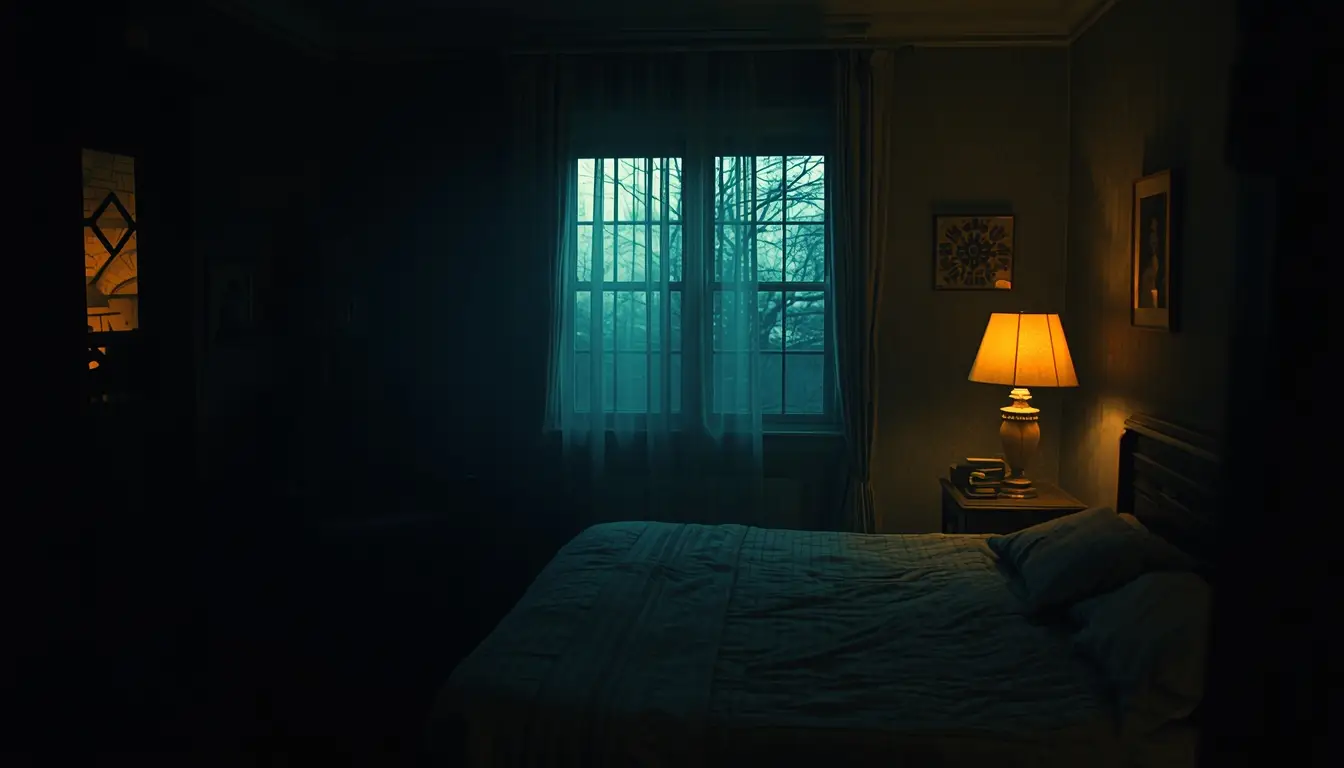
A HOUSE FOR REST
Life works if rest works.
Sleep is not a separate department of life. The room, the evening, the light and the last decisions of the day all shape how much the body has to keep carrying into the night.
Affiliate disclosure: we may earn a commission from some product links on this page, at no extra cost to you.
REST BEGINS BEFORE SLEEP
The room can stop giving the nervous system reasons to stay awake.
When light softens, decisions finish, temperature settles and the body stops searching for comfort, sleep no longer has to be manufactured at the end of an exhausting day.
Evening Slow Down — Let Them
The evening does not need another performance. Fewer demands and lower stimulation give the body time to notice that the active part of the day is ending.
Night Without Decisions
Water, light, charging and tomorrow’s notes can already be in place. A half-awake body should not have to run a small planning meeting at two in the morning.
Better Sleep Setup
Support, air, warmth, light and sound work best when none of them becomes the thing you notice. The room should settle before you do.
Sleep Position as Essential Hedonism
Comfort is practical. A bed that distributes pressure and lets the body stop correcting itself all night changes what tomorrow has to recover from.
Sensory Calm
Quiet is not emptiness. It is the room no longer requiring the mind to keep sorting which sound deserves attention and which one can be ignored.
When Sleep Refuses to Come
Some nights do not respond to effort. Removing the struggle can keep wakefulness from becoming a second problem layered on top of the first.
THE BODY RESPONDS TO CUES
The night gets easier when the signals all point the same way.
Light gets warmer. The room becomes quieter. The last useful objects are where they should be. Tomorrow has somewhere else to wait. These are small conditions, but together they tell the body a consistent story: nothing more is required right now.
The Body Has Its Tricks
The useful trick is not forcing the body to sleep. It is arranging light, temperature, sound and routine so the easier direction becomes obvious.
Where the Body Lets Go
Rest begins in the handover between doing and not doing. The body can start letting go before the head reaches the pillow.
Sleep Support That Lets the Body Settle
When a product belongs in the night, it should reduce heat, pressure, light or noise without becoming a new object to manage at bedtime.
TWO QUIET PARTNER OPTIONS
Bedding and light control should disappear into the room.
The useful purchase is the one that solves a repeated night problem without becoming the next thing that needs attention.
Sleep & Beyond
Natural layers can support temperature and texture without adding a complicated sleep system.
Neutral Curtains
Good curtains give the room a calmer boundary from outside light without turning darkness into a project.
THE MORNING DID NOT BEGIN AT ZERO
Some of tomorrow had already been protected by the night.
The body woke without having spent the dark hours fighting light, heat, noise and decisions that never belonged in bed.
Nothing miraculous had happened. The night had simply been allowed to do its job.
Life works if rest works because every day begins with what the night was allowed to return.