
Emergency & Alert Systems
Emergency alert systems for seniors can provide fast support during falls, sudden dizziness, or unexpected medical emergencies—especially if you live alone, take daily walks, or practice movement routines at home.Many emergency alert systems for seniors now include fall detection and two-way calling for extra peace of mind The goal is simple: if something unexpected happens, help is one button press away.
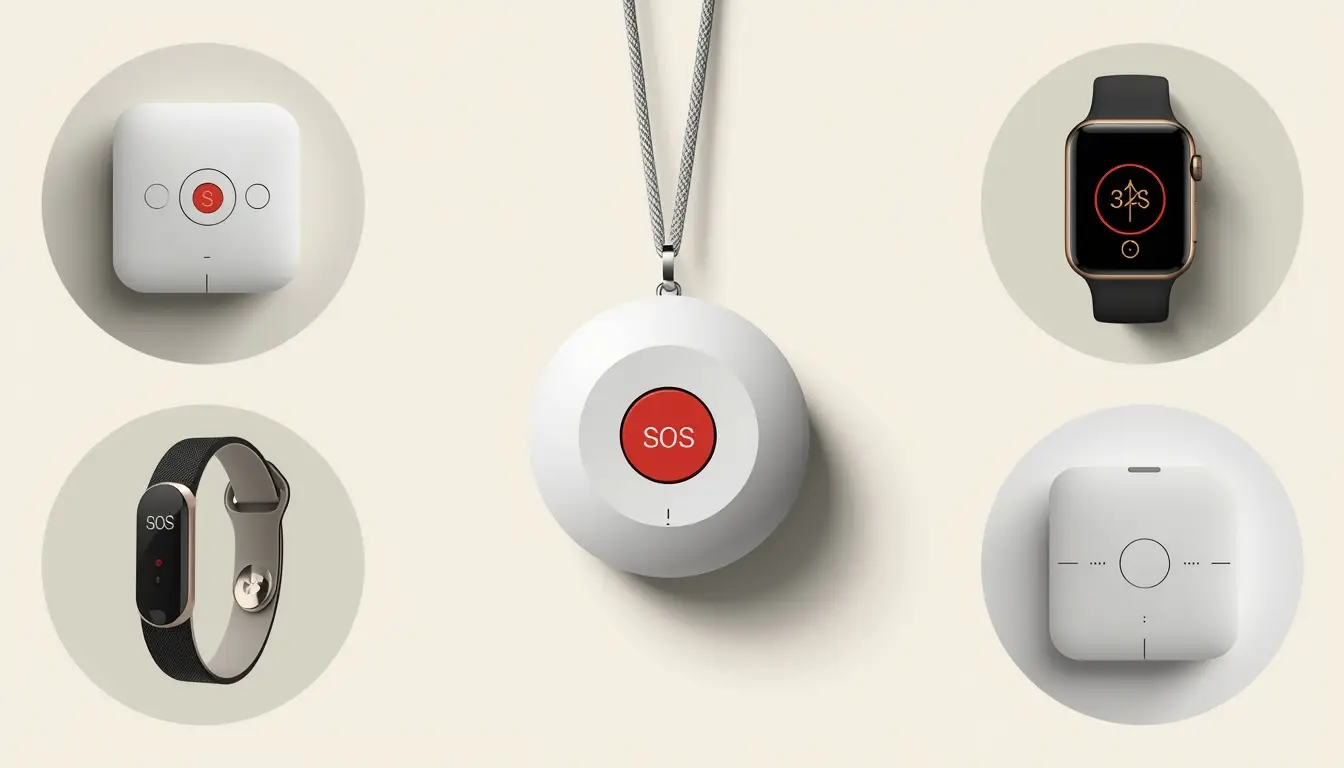
One Calm Rule Before You Buy Anything
The best emergency system isn’t the one with the most features. It’s the one you will actually wear, actually charge, and actually use — even on an ordinary day.
3 Quick Filters That Make the Choice Easy
- Daily reality: Will you wear it at home, not only “just in case”?
- Speed: Can it call for help in seconds without confusion?
- Support: Is setup simple, and can someone else help if needed?
Emergency Alert Systems for Seniors: What to Look For
- One-touch help button (easy to press under stress)
- Automatic fall detection (extra safety if you faint or slip)
- Two-way calling so you can speak immediately
- Long battery life and clear low-battery alerts
- Works at home + outdoors (not only inside your house)
- Comfortable wearable design (watch, pendant, or clip)
Brand-direct partners
Related: Simple Home Modifications
Final Thoughts
You don’t need to do everything at once. Choose what fits your lifestyle, your home, and your goals—and keep moving forward, one steady step at a time.
The right tools don’t replace movement or healthy habits—they make them easier to do consistently. Start with one upgrade that solves a real daily problem, and build from there. Small supports create big confidence, and confidence creates momentum
Helpfull links for more info
USA Gov – NIA Falls & Fall Prevention
UK Gov – NHS — Falls
Canada Gov – Government of Canada — Fall prevention