
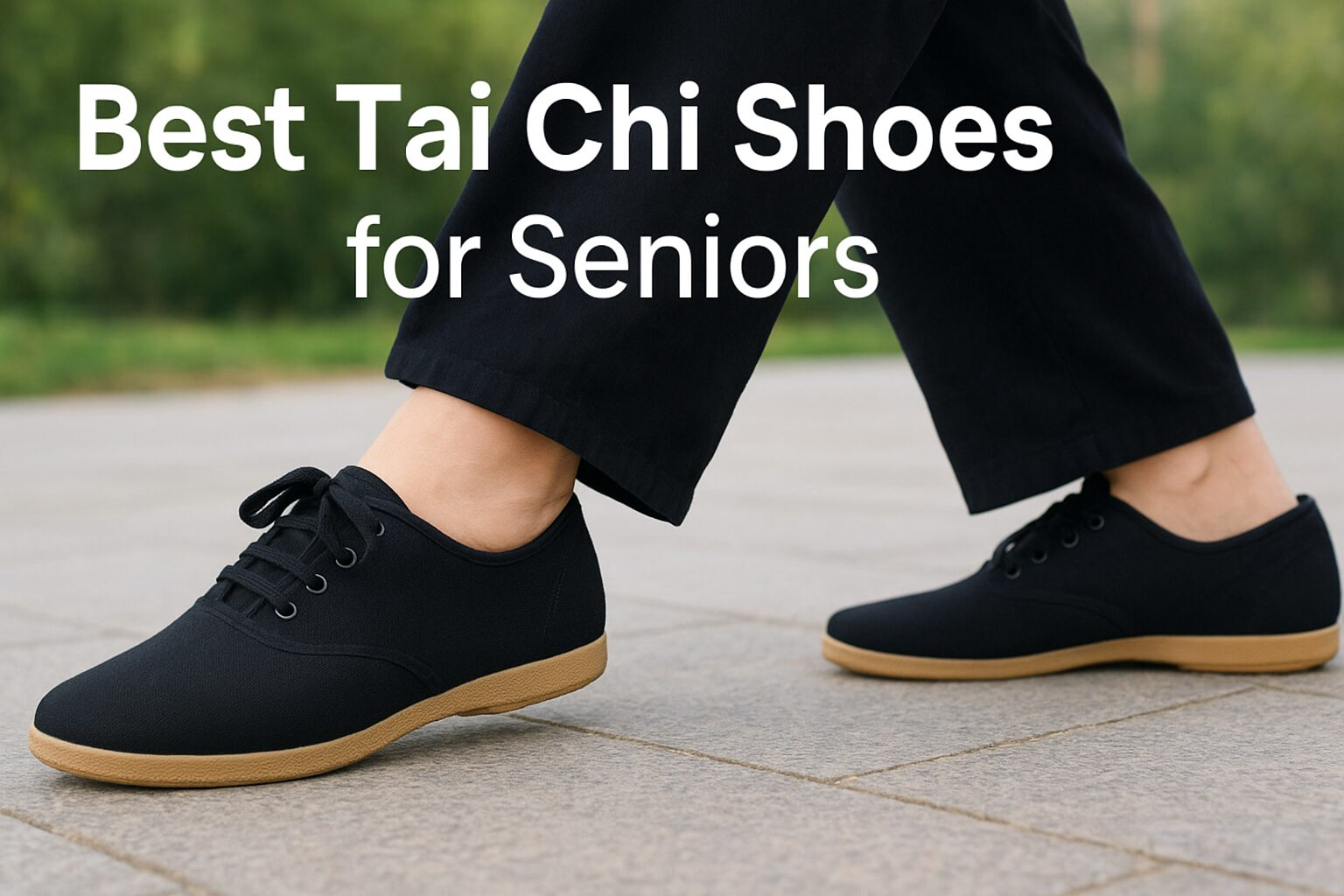
The best Tai Chi shoes for seniors combine stability, flexibility, and comfort, allowing older adults to practice Tai Chi safely and confidently. This guide lists top verified shoes, explains what features to look for, and provides quick links for easy purchase.
For deeper technique, balance control, and safe progression, explore our guide on Tai Chi for intermediate practitioners, which focuses on stability, controlled movement, and confident stepping.
Why Seniors Need Proper Tai Chi Shoes
Tai Chi emphasizes balance, controlled movements, and precise footwork. Seniors who wear the best Tai Chi shoes for seniors benefit from a thin, flexible sole for better ground feedback, gentle traction to help prevent slips, and a comfortable fit for longer practice sessions. Poor footwear can impair balance and increase joint stress — the right shoes help prevent falls and support steady progress.Choose
Top Features to Look For
- Thin, flexible sole (4–8 mm) for better ground feel
- Non-lugged, non-marking outsole suitable for smooth indoor floors
- Roomy toe box that allows natural toe splay
- Breathable upper to help reduce sweat and odor
- Grip / traction (indoor safe)
- Flexible sole (natural foot movement)
- Flat + stable base (better balance)
- Wide toe box (comfort + swelling)
- Lightweight (less fatigue)
Learn more about how Tai Chi improves balance and mobility.
Budget friendly Tai Chi Shoes – just guide
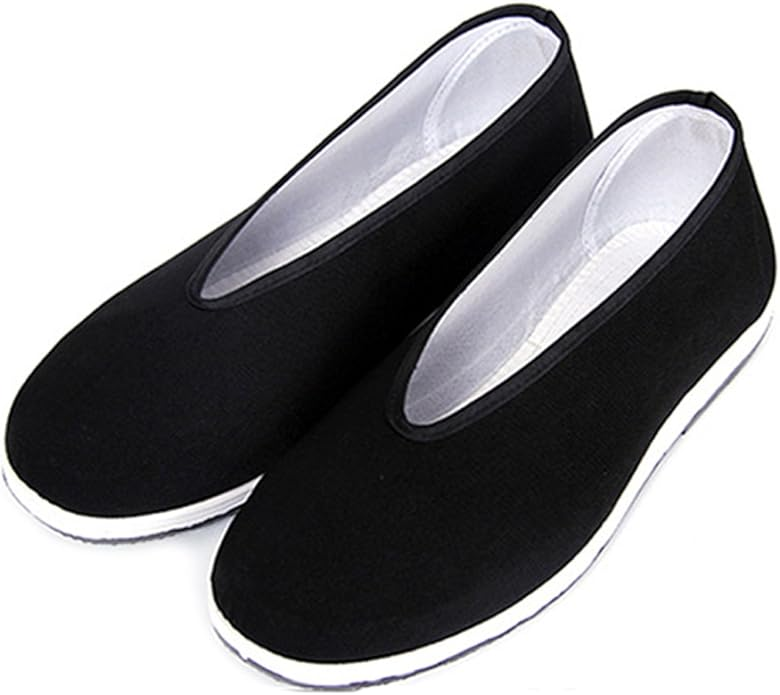
YunPeng Chinese Traditional Old Beijing Shoes
Rating: ★★★☆☆ Low price • Indoor grip
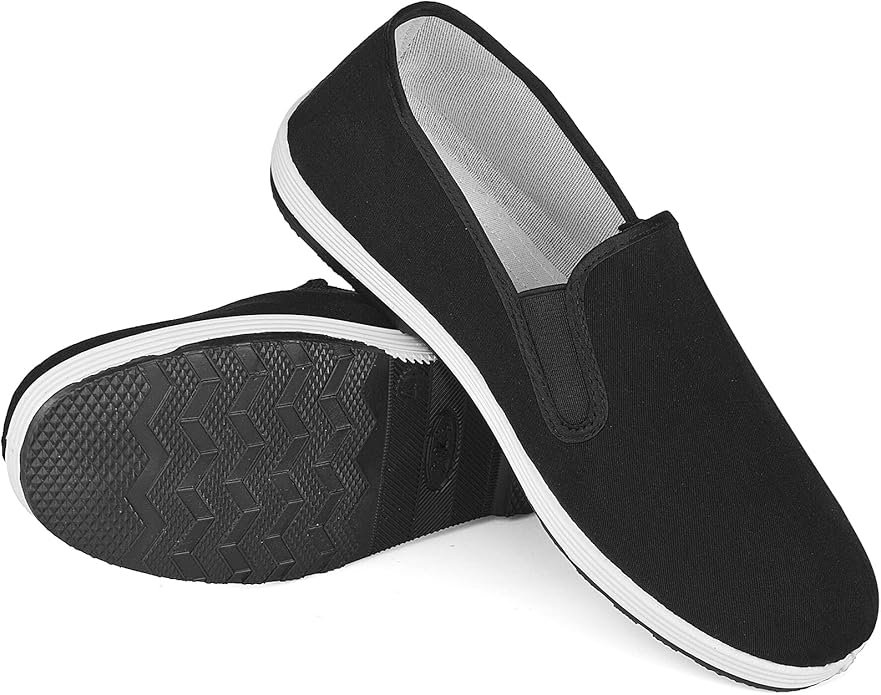
Tai Chi Shoes Fit – Light Soft & Breathable
Rating: ★★★★☆ Wide toe box • Flexible sole
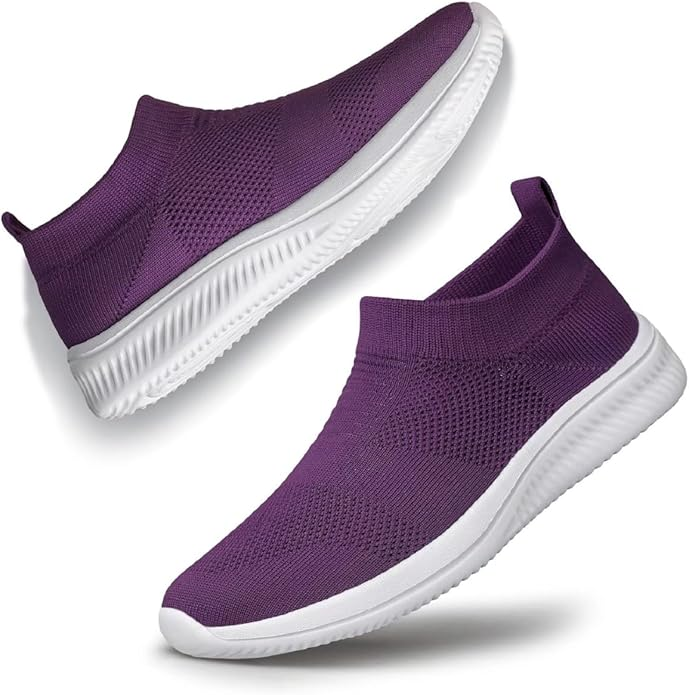
Vibdiv Pull-on Shoes Women Sock Sneakers
Rating: ★★★★☆ Lightweight • Indoor
Video Guide
How to Choose Your Perfect Fit
Always try new shoes indoors before wearing them to class. Do a few slow weight-shifts and gentle pivots to check stability. Make sure the sole bends naturally, the toe box has enough space, and the shoe stays secure without slipping.
- Test slow pivots and weight-shifts (no slipping)
- Choose a flat, stable sole (avoid raised heels)
- Look for flexible forefoot movement
- Make sure the toe box isn’t tight or narrow
- Skip heavy lug soles (they can “grab” the floor)
- Consider sizing up slightly if your feet swell
Best Tai Chi Shoe Features (What Matters Most)
The best Tai Chi shoes are not one “perfect model.” The best choice depends on your feet and how you practice. But the features below are the ones that matter most for stability, comfort, and safer movement.
- Flat, stable base for better balance
- Reliable grip for indoor floors (no slipping)
- Flexible forefoot for smooth weight shifting
- Lightweight feel to reduce fatigue
- Comfortable toe box (not narrow or tight)
- Soft cushioning without feeling “spongy”
- Secure fit (no heel slipping)
Optional Comfort Upgrade (Circulation & Recovery)
If you deal with tired legs, mild swelling, or circulation issues, graduated compression socks can add extra comfort and support during daily walking, recovery, and long standing. SockWell socks are made with premium materials and a graduated compression design for all-day wear.