
How to Improve Power & Mind–Body
Integration — Advanced Tai Chi Training
Introduction
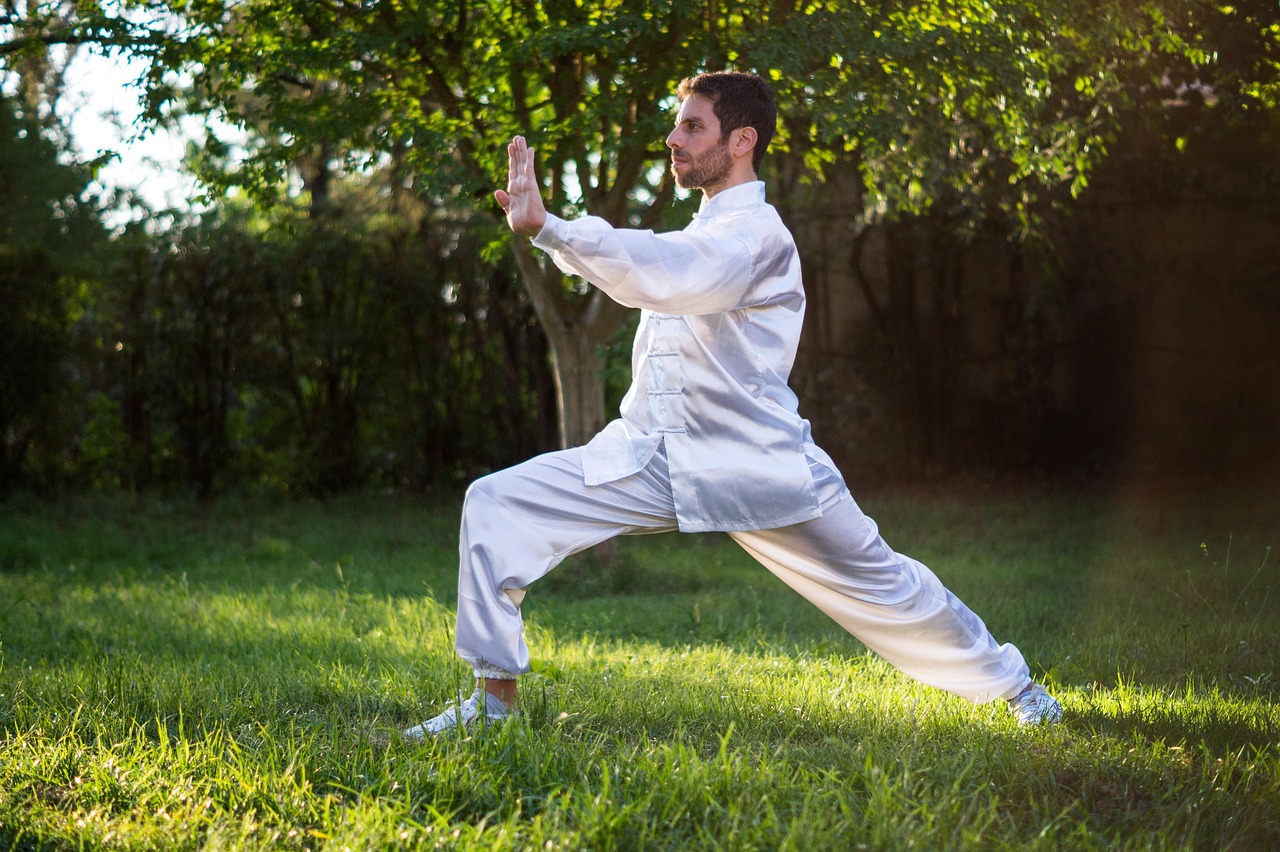
Advance your Tai Chi practice by developing internal power, whole-body integration, relaxed strength, and mind-led movement. Learn key principles, 10 drills, and safe practice times specifically tailored for seniors.
Table of Contents
Advanced Tai Chi training emphasizes integrated internal skill — linking root, waist, and intention to produce efficient power and refined sensitivity. Many seniors also explore Tai Chi for stress relief,which improves breath, balance, and energy. Below are 10 advanced drills with clear steps, cues, common mistakes, and practice times so you can safely develop jin (internal power), silk-reeling coordination, and mind–body integration. Use the short practice snapshot daily; over weeks, you’ll notice smoother transitions, better balance, and more effective force generation.
Practice Snapshot (10 minutes)
- 2 min — Centering breath + standing root (focus on dantian).
- 4 min — Silk-reeling spirals (root → waist → hands).
- 2 min — Diagonal weight-shift drills (silent steps).
- 2 min — Micro Fa-Jin releases (short, structural bursts).
10 Advanced Tai Chi Training Techniques
These ten focused methods form the backbone of serious advanced Tai Chi training. For beginners upgrading equipment, review our guide: 12 Tai Chi Gear Essentials. Practice each drill with attention to alignment, breath, and intent to produce coordinated, reliable power.
1. Whole-Body Power Through Spiral Motion (Chan Si Jin)
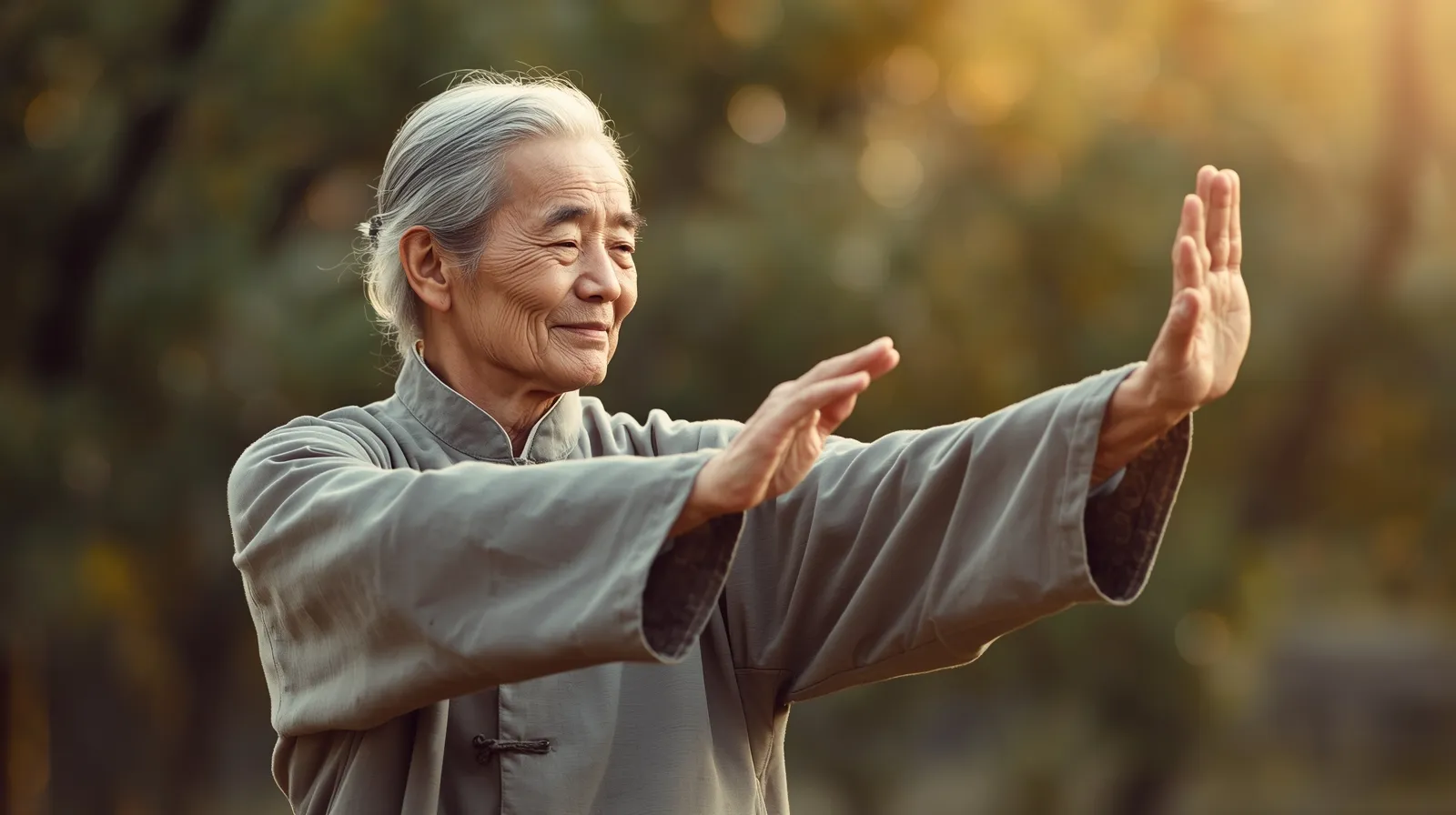
Concept: Create power by spiraling energy from feet → legs → waist → hands. This spiral links lower-body root to upper-body extension and is central to advanced Tai Chi training.
How to practice
- Root down: Feet hip/shoulder width, knees soft, sense connection to the floor.
- Slow coil: Rotate the waist slowly 6–8 times feeling the twist move from the feet into the hips.
- Express: As the waist unwinds, let the hands trail the spiral into a light release; keep shoulders soft.
Practice time: 3–6 minutes daily. What you should feel: integrated warmth through waist into hands.
2. Key Practices to Deepen Advanced Tai Chi Training
- Relaxed structure & Peng: buoyant extension without tension.
- Yi-led micro-drills: intention-first motion for accuracy.
- Breath synchronization: low, quiet breath to anchor timing.
- Micro Fa-Jin: coordinated releases from waist and legs.
- Moving-root sequences: diagonal and spiral weight-shifts with silent steps.
- Silk-reeling flows: continuous coiling/uncoiling transitions.
- Stance challenges: deepen leg strength while maintaining softness.
- Push-hands: partner sensitivity + neutralization.
- Long-form practice: integrate rhythm, endurance, and meditative attention.
Practice guideline: rotate these focuses across the week — short daily sessions produce steady progress in advanced Tai Chi training.
Support Tools (Gear & Products)
These tools can help support advanced Tai Chi practice by improving rooting, coordination, and controlled strength when used mindfully and without strain
Helpful Tools to Deepen Advanced Tai Chi Practice
Choose tools that enhance awareness and structure rather than forcing effort. Quality matters more than resistance.
Final Thoughts
Established Tai Chi foundations and evidence-based health resources can help deepen understanding while reinforcing safe, sustainable progress. Trusted sources such as evidence-based aging and movement science support the role of mindful, integrated movement for long-term physical resilience. At the same time, learning from recognized Tai Chi lineage and practice authorities helps advanced practitioners refine internal power, structure, and intent. Research also confirms Tai Chi’s effectiveness through balance and fall-prevention authorities, particularly for maintaining stability, coordination, and confidence as we age
Most importantly, progress comes from consistency rather than intensity. Short, mindful practice sessions performed regularly will produce greater long-term benefits than pushing beyond comfort. Stay relaxed, move with awareness, and allow skill to develop gradually over time.