
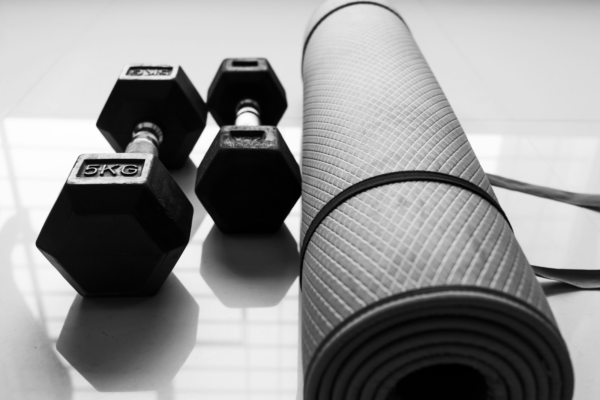
12 tai chi gear essentials should be simple, effective, and chosen to support balance, joint safety, and natural movement. Whether you’re just starting or practicing at an intermediate level, this guide covers footwear, clothing, mats, props, and safety supports to help you practice comfortably and confidently.
12 Tai Chi Gear Essentials-Proven Tools for Better Balance
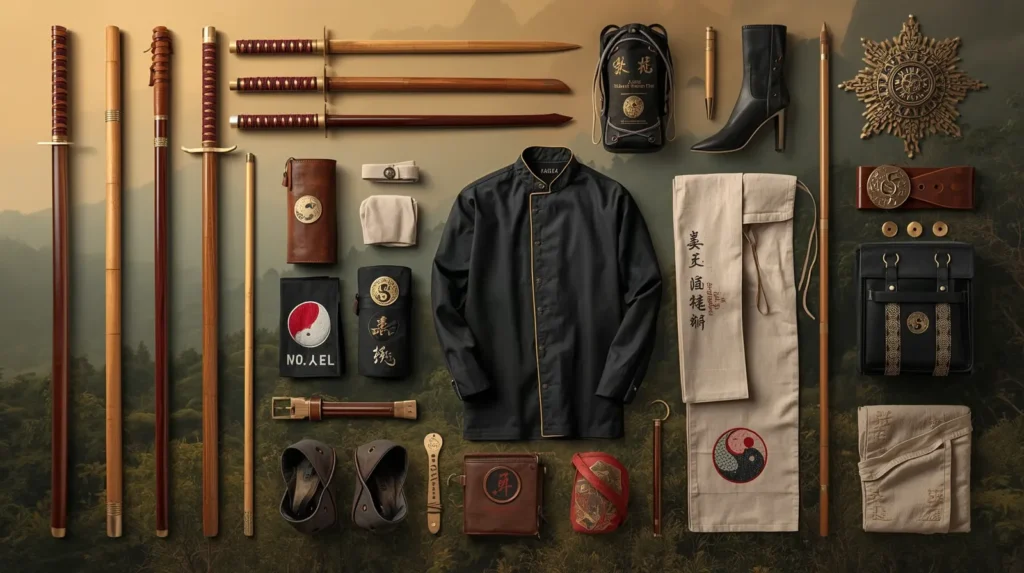
Why These 12 Tai Chi Gear Essentials Matter
The right tai chi gear improves balance awareness, protects joints, and allows consistent practice without discomfort. These 12 tai chi gear essentials are selected specifically to support balance, stability, and safe movement.
Tai Chi is especially effective for older adults because it improves balance, coordination, and confidence through slow, controlled movement. Learn more in our guide to balance and confidence after 60.
Clinical research supports Tai Chi as a safe, low-impact exercise that improves balance and mobility in older adults. For evidence-based guidance, see:
Footwear & Socks
1. Thin-Sole Tai Chi Shoes
Thin soles improve ground feedback and balance control. Look for flexible soles and a wide toe box.If you want a deeper breakdown of sole thickness, grip, and stability, see our detailed review of the best Tai Chi shoes for seniors
2. Indoor Tai Chi Slippers
Light canvas slippers work well for studio or home practice.
3. Grip Socks (Optional)
Useful for smooth floors when barefoot practice is unsafe.
If you want extra comfort and light circulation support during daily walking and recovery, SockWell graduated compression socks are a great addition—especially for tired legs or mild swelling.
Optional upgrade: For tired legs, mild swelling, or circulation support, SockWell graduated compression socks can add extra comfort during daily walking and recovery.
Clothing Essentials
4. Loose-Fit Practice Pants
Allow full hip movement and deeper stances without restriction
5. Breathable Tops
Light, moisture-wicking fabrics improve comfort during longer sessions
6. Light Layers for Outdoor Practice
Thin layers keep joints warm without limiting movement
Mats & Props
7. Low-Compression Practice Mat
A thin (3–6mm) mat offers cushioning without destabilizing balance
8. Light Resistance Bands
Useful for warm-ups, joint prep, and gentle strength work
9. Soft Stability or Tai Chi Ball
Supports coordination and controlled movement.
Safety Supports
10. Knee Sleeves
Provide light compression and warmth for sensitive joints
11. Ankle Support or Non-Slip Pads
Help reduce pivot strain and slipping risk
Storage
12. Storage & Care
Simple storage keeps gear dry and extends lifespan. Air-dry shoes, clean mats regularly, and replace worn soles promptly
How to Choose the Right Tai Chi Gear for Balance
Choosing the right equipment from the 12 tai chi gear essentials depends on your experience level, mobility, and practice environment. Beginners and seniors benefit most from stable footwear, flexible clothing, and a safe practice surface. These items directly support balance by improving ground feedback and reducing joint strain.
As coordination improves, adding light props such as resistance bands or Tai Chi balls can enhance body awareness and control. Safety supports like knee sleeves or non-slip pads are helpful for those returning after injury or managing stiffness.
The goal of the 12 tai chi gear essentials is not accumulation, but function. Start simple, evaluate comfort and stability, and add only what improves your balance, confidence, and consistency.
Tai Chi gear works best when paired with proper technique and regular practice. If you’re progressing beyond the basics, explore advanced Tai Chi training for power and control.
While Tai Chi gear supports structured practice, many people also rely on practical tools that support balance and mobility in everyday life beyond training sessions.