
Healthy Eating After 60
Healthy eating after 60 becomes simple when you focus on nutrient-dense foods, steady meals, and repeatable habits that support long-term energy and strength.
Why Healthy Eating After 60 Matters More Than Ever
Healthy eating after 60 plays a critical role in maintaining energy, muscle strength, balance, and independence. As metabolism slows and nutrient absorption changes with age, the body requires more intentional food choices to support daily function and long-term wellbeing.
Research from the Harvard T.H. Chan School of Public Health shows that older adults benefit most from diets rich in protein, fiber, healthy fats, and micronutrients such as calcium, vitamin D, and B12.
Poor nutrition after 60 is strongly linked to fatigue, muscle loss, slower recovery, and increased fall risk. On the other hand, consistent, balanced meals help stabilize blood sugar, improve digestion, and support cognitive clarity — especially when paired with gentle movement such as Tai Chi for intermediate practitioners.
According to the National Institute on Aging, focusing on simple, repeatable habits is far more effective than restrictive diets. This includes eating regular meals, prioritizing protein at each meal, staying hydrated, and choosing whole foods over ultra-processed options.
If you’re focused on building a healthy lifestyle after 60, our guide on How to Boost Your Energy: 10 Easy Lifestyle Changes offers simple, practical habits that support daily vitality and long-term wellbeing.
For practical, senior-friendly meal ideas that match the tips in this article, explore our 60 easy healthy recipes for seniors, designed to support energy, digestion, and strength without complicated preparation.
Medical organizations such as the Mayo Clinic emphasize that there is no single “perfect diet” for aging well — consistency, variety, and enjoyment matter more than perfection.
Why healthy eating after 60 matters
As we age, muscle mass, digestion, and energy regulation change. Healthy eating after 60 helps preserve strength, balance blood sugar, and support independence for everyday life.
Prioritize protein
Aim for 20–30g protein per meal to protect muscle and strength.

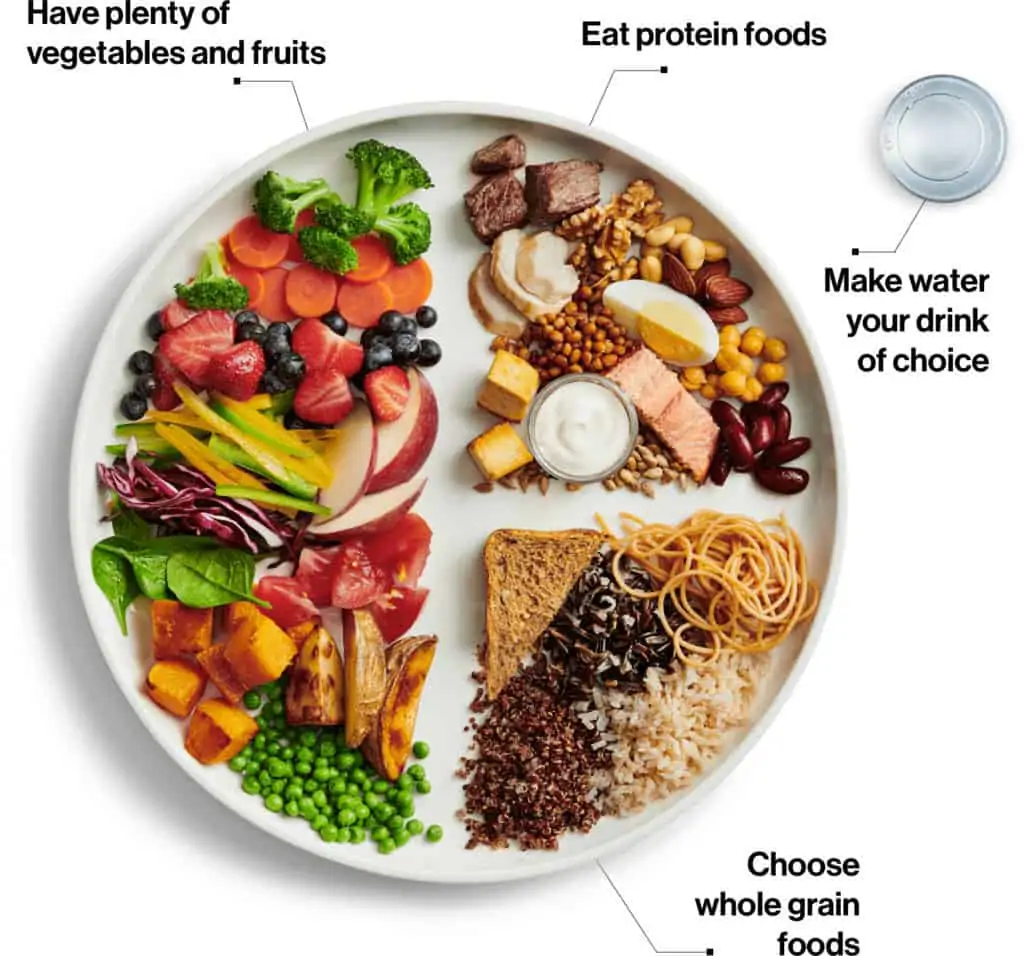
Fill Half Your Plate With Vegetables
Vegetables provide fiber, vitamins, and antioxidants essential for aging well.

Choose Healthy Fats
Olive oil, nuts, seeds, and fish support heart and brain health.

Build balanced meals
Use the plate method: vegetables, protein, and whole grains

Stay Hydrated
Drink regularly throughout the day—thirst cues decline with age

Support digestion
Fiber, fluids, and gentle movement aid digestion and comfort

Use grocery shortcuts
Frozen and pre-washed foods save time without sacrificing nutrition

Smart Snacks
Pair protein with fiber to keep energy steady

Calcium & Vitamin D
Support bone health and reduce fracture risk as we age

Manage Appetite Changes
Smaller, nutrient-dense meals help maintain energy and nutrition when appetite is low.

Eating With Medications
Some foods interact with prescriptions, so it’s important to check guidance from healthcare professionals when managing meals and medications

Budget-Friendly Choices
Beans, eggs, and frozen produce provide excellent nutrition at a lower cost and support healthy eating after 60 without straining the budget

Meal Planning
Planning a few meals each week reduces stress, saves money, and helps maintain consistent, balanced nutrition.

When to See a Dietitian
Professional guidance can be helpful when managing chronic conditions, unintentional weight loss, digestive issues, or complex nutrition needs after 60.
Kitchen Tools for Easy, Healthy Cooking
Preparing nutritious meals after 60 is easier with simple, reliable kitchen tools. Choosing items that reduce effort and cleanup can make healthy cooking more consistent and less tiring.
Many readers find a non-stick frying pan helpful for low-oil cooking, or a compact blender useful for soups and smoothies that support digestion and energy.