
Simple Balance and Steady Movement at Home
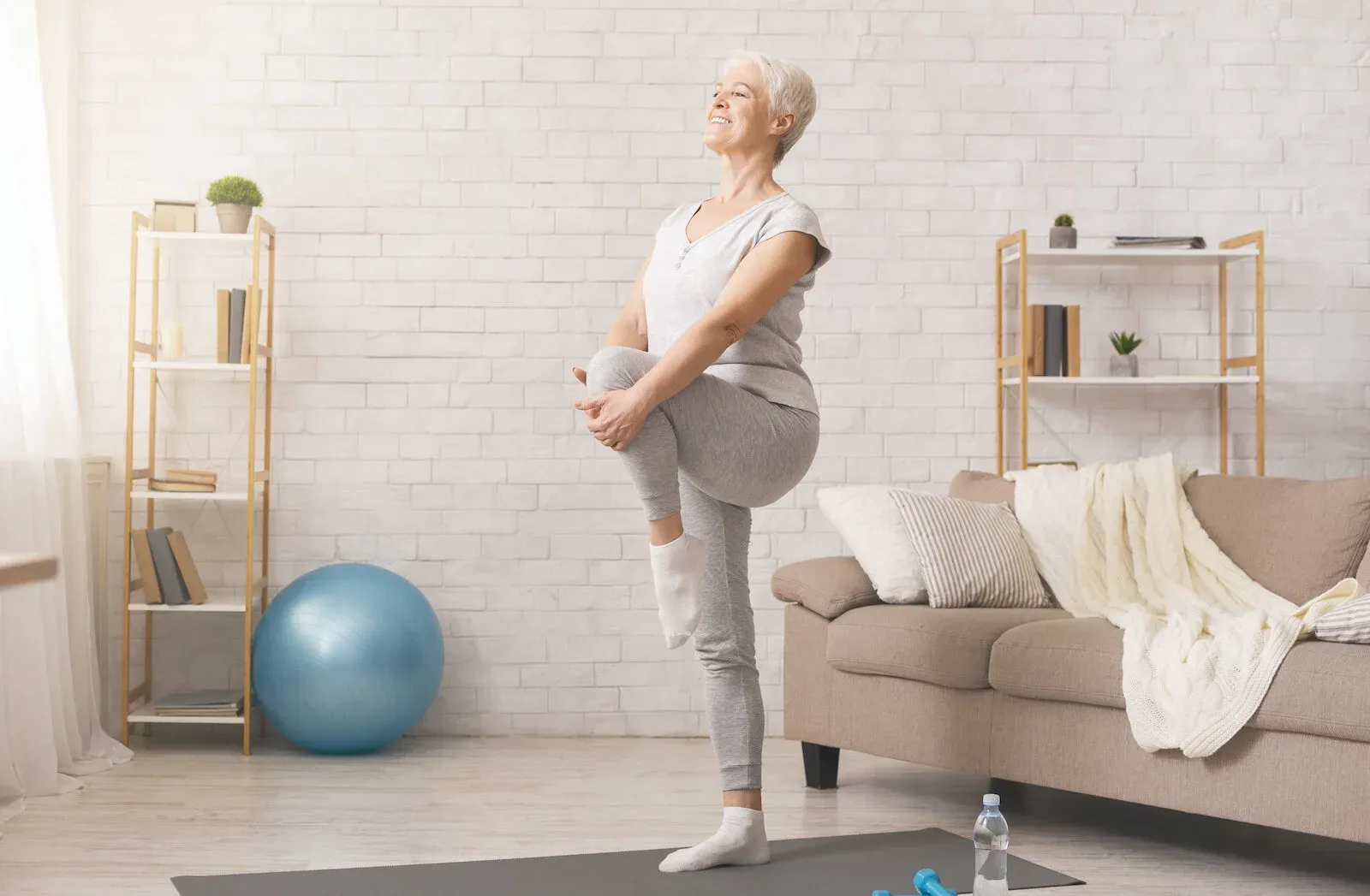
Balance at home grows from small, steady habits that make movement feel easier and more natural. When daily movement feels supported, confidence follows without effort or focus.Fall prevention and balance at home begins with small, steady daily habits.
This page focuses on practical ways to support everyday movement at home — through fall prevention and balance, footwear, lighting, layout, and simple movement choices that fit naturally into daily life.
Small environmental adjustments often make movement feel steadier without conscious effort.
Quick Confidence Boosters (Simple + Safe)
If balance feels unpredictable, you don’t need a big program. You need a few small upgrades that make daily movement feel steadier, safer, and more confident—starting today.Our approach avoids fear-based messaging and emphasizes simple, affordable steps that fit real homes and routines.
- Keep a stable surface nearby for natural support
- Use soft, even lighting where movement happens most
- Add grip where feet regularly meet the floor
Key Areas That Reduce Fall Risk
- Footwear and traction
- Flooring and transitions
- Lighting and visibility
- Daily balance habits
Footwear & Floor Grip (Fast Upgrade)
- Shoes with stable soles and low profile
- Avoid loose socks on tile or wood floors
- Use non-slip mats in high-risk areas (bathroom, entryway)
- Keep pathways clear and avoid small rugs that slide
- Add gentle lighting at night so you can place your feet confidently
Recommended Fall-Prevention and Balance Solutions
- Supportive indoor footwear & traction socks
- Low-profile non-slip rugs & pads
- Motion-activated pathway lighting
- Simple balance-support tools
Build Safety Through Movement
- Home Safety Overview
- Tai Chi & Balance
National Institute on Aging – Falls and Older Adults
You don’t need a full workout to support balance — small movements throughout the day are enough.
Why Falls Happen (The Most Common Risk Factors)
Falls rarely come from just one thing. Most of the time, it’s a combination of small risks that add up — and the good news is that many of them can be improved.This fall prevention and balance for seniors guide helps you identify the small daily risks that reduce confidence and increase fall danger.
- Weak legs or poor hip strength
- Reduced balance and slower reflexes
- Vision changes or low lighting at night
- Slippery floors, loose rugs, and clutter
- Unsupportive shoes or unstable slippers
- Dizziness, dehydration, or low blood pressure
You don’t need to fix everything at once. Start with the factor that affects your daily life the most, and improve one layer at a time.
Simple Home Fixes That Prevent Trips & Slips
Your home doesn’t need a remodel to become safer. A few small changes can remove the most common fall hazards and make everyday movement feel more relaxed and confident
- Remove loose rugs or use strong non-slip rug grippers
- Keep pathways clear (especially bedroom → bathroom)
- Add night lights in hallways and bathrooms
- Improve stair safety with stable handrails
- Use a non-slip mat in the shower or bathtub
- Keep frequently used items at waist height (less risky reaching)
The goal is not to “baby-proof” your home — it’s to create a space that supports strong, steady movement every day.
A Simple 5-Minute Daily Balance Routine
Balance improves through gentle repetition. This short routine supports steadiness, coordination, and confidence — and it’s easy to do at home with a stable chair nearby
- Sit-to-Stand (5 reps) — stand up slowly, sit back down with control
- Heel-to-Toe Walk (10 steps) — hold a wall if needed
- Single-Leg Stand (10–20 seconds per side) — light support is fine
- Side Steps (10 steps each direction) — steady and controlled
- Calf Raises (10 reps) — rise up slowly, lower slowly
Do what feels safe and smooth. Over time, your body learns stability — and everyday movement starts feeling easier.
Footwear Rules That Improve Balance Fast
Supportive footwear is one of the fastest ways to reduce slipping and improve stability. The goal is a secure base that helps your body stay aligned and confident with every step
- Choose shoes with real traction (not smooth soles)
- Look for a stable heel and a wider base
- Avoid loose slippers that slide or twist
- Make sure the shoe fits securely (no heel lifting)
- Prefer low-profile support over heavy “bulky” shoes
- Replace worn-out soles before they become slippery
If you want one upgrade that helps immediately, start with footwear. Better traction changes how you move in your own home.Strong footwear habits are a core part of fall prevention and balance for seniors, especially on smooth indoor floors.
When to Get Extra Support (And Why It’s Smart)
Using support tools doesn’t mean you’re “getting worse.” It means you’re protecting your independence. The right support can prevent injury and help you stay active while you build strength and stability.
- You feel unsteady when turning or changing direction
- You avoid walks because you don’t feel confident
- You’ve had a recent slip, trip, or close call
- You feel dizzy, weak, or unsure on stairs
- You get tired quickly and your steps become sloppy
- You want to stay active outdoors more often
A cane, walking poles, or a simple handrail upgrade can be the difference between fear and freedom. Use what helps you move with confidence.
Final Thoughts on Fall Prevention and Balance for Seniors
Fall prevention is not about fear — it’s about building trust in your body and your environment. When you improve strength, remove hazards, and practice balance a little each day, confidence becomes your new normal
Start with one simple upgrade today, stay consistent this week, and let progress compound. Stronger balance means more freedom — and more freedom means a better life.
For best results, treat this fall prevention and balance for seniors routine like brushing your teeth — small effort, big long-term payoff. With steady practice, fall prevention and balance for seniors becomes a habit that supports freedom, safety, and confidence.