
Balance and Confidence
Regaining balance and confidence after 60 is easier than most think. With simple, consistent exercises, posture routines, and daily habits, older adults can feel steadier, stronger, and more independent in weeks.
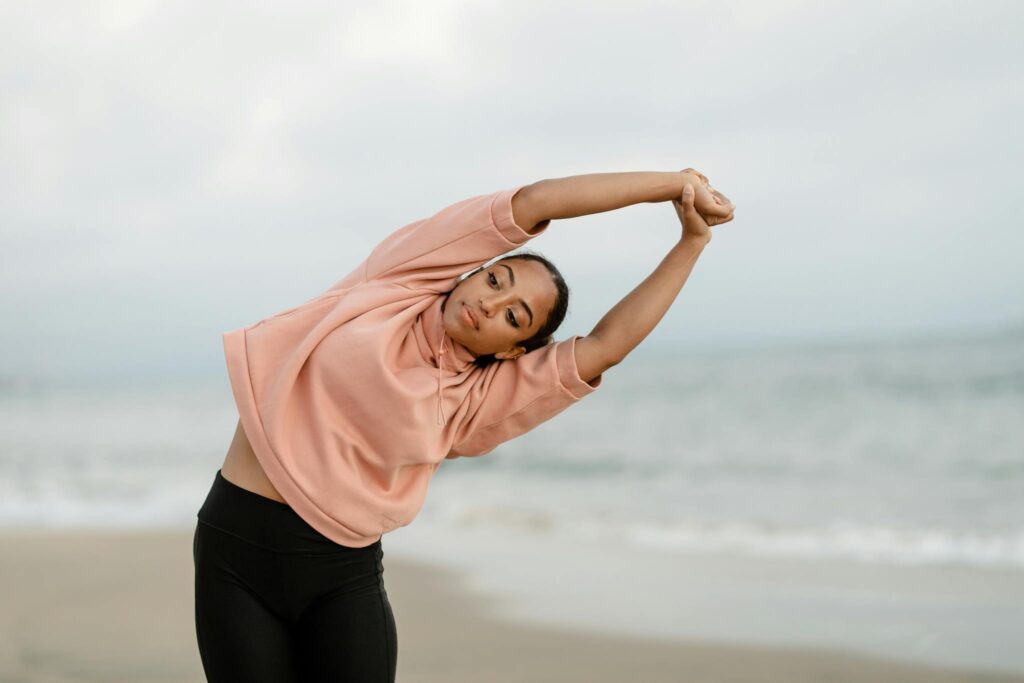
Simple daily exercises can dramatically improve balance and confidence after 60.
Introduction
Improving balance and confidence after 60 is possible faster than you think. Many older adults feel steadier in just two weeks by combining simple strength exercises, posture alignment, and short balance drills. Progression is key — small steps gradually retrain your body to move safely and confidently in daily life.If you want to stay consistent, keep your routine small and repeatable. Two to five minutes a day is enough to build momentum, and small improvements often show up first as steadier walking, smoother turns, and more confidence during everyday movement.
Quick Safety Pages (Start Here If You Want Less Risk)
Why Balance and Mobility Tend to Change With Age
As we age, muscle mass naturally declines, reflexes slow slightly, and joint stiffness can limit movement efficiency. Vision changes affect depth perception, making uneven surfaces more challenging. The good news: the body responds remarkably well to gentle, consistent training at any age.
Good to know: Even adults in their 60s show noticeable gains in leg strength and balance within weeks of structured practice.
A Simple Plan to Improve Balance and Confidence After 60
The most effective routine combines controlled strength movements, multitask balance drills, and gentle mobility. Only 10–12 minutes at home is needed, without any special equipment.
- Warm up (2 minutes)
- Balance drills (3–5 minutes)
- Strength micro-set (3 minutes)
- Mobility work (2 minutes)
- Functional challenge
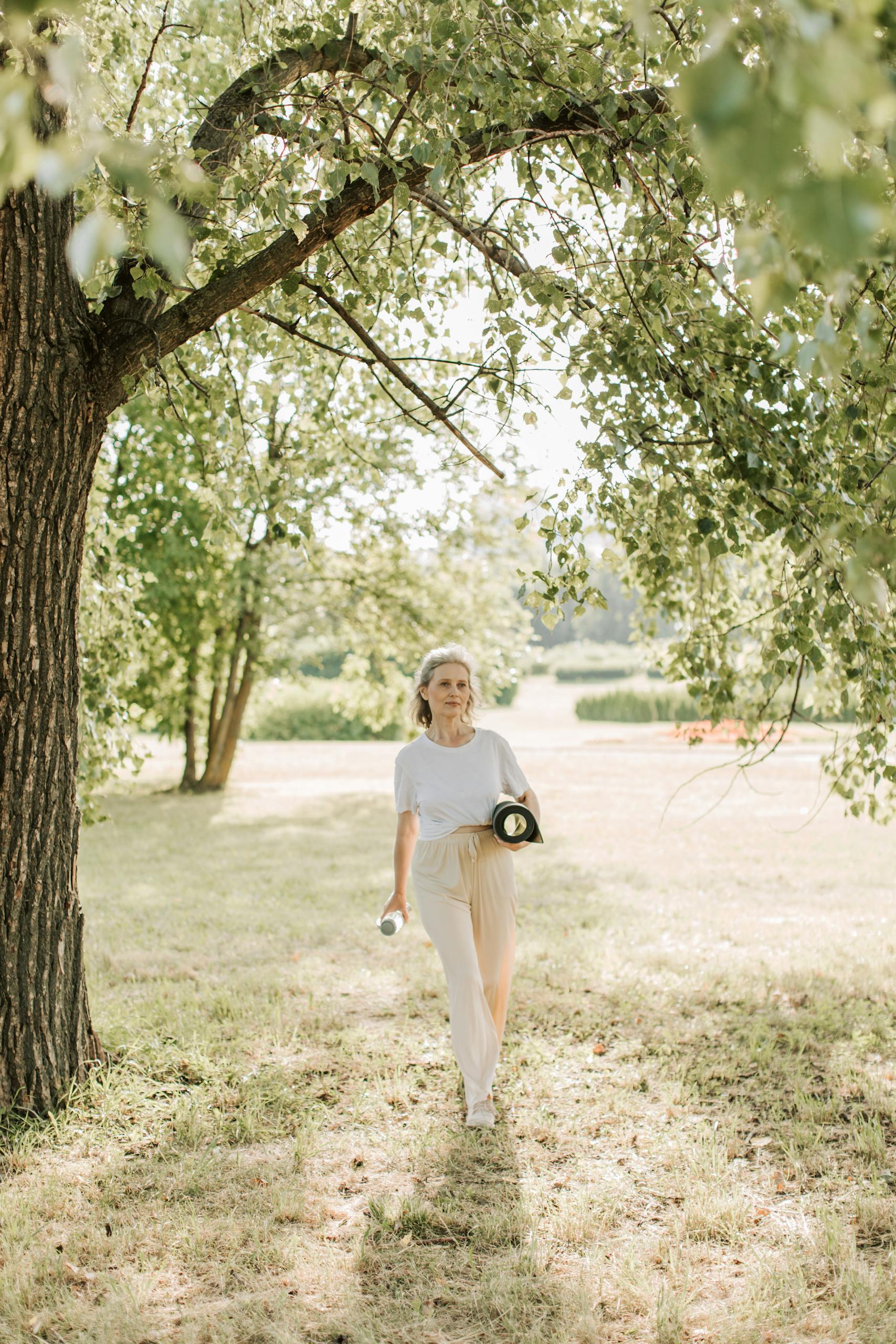
Gentle walking supports balance, strength, and confidence after 60.
Key Exercises to Improve Balance and Confidence
Heel-to-toe walk
A classic stability drill that improves coordination and balance. Take 15–20 slow steps, keeping your gaze forward and your posture tall.
Supported single-leg stand
Hold the back of a chair and lift one foot for several seconds. As balance improves, reduce hand support or increase the hold time.
Calf raises
Rising slowly onto the balls of the feet strengthens the calves and improves ankle stability, which is essential for safe walking.
Core stability bracing
Lightly engaging the core muscles supports the spine and reduces wobbling. This can be practiced while seated or standing.
Daily Habits That Support Long-Term Balance & Confidence
Focus on habits, not exercises. Calm, practical tone.
- One-leg standing during daily routines
- Slow, mindful walking indoors
- Gentle toe raises while waiting
- Keeping floors and pathways clear
Over time, these small daily habits quietly rebuild trust in your body. As movement feels steadier and more controlled, confidence grows naturally — not from pushing harder, but from knowing you can move safely and comfortably in everyday life. This sense of stability supports independence and makes daily activities feel calmer, easier, and more reliable.
FAQ
How quickly will I feel improvements?
Most people notice improvements in 2–4 weeks with consistent practice. Mobility, posture, and confidence continue to build over 1–3 months.
Do I need equipment?
No — nearly all exercises use bodyweight and a stable chair. For optional support tools, see
Essential Smart & Practical Tools That Improve Balance, Mobility & Confidence.
You can also explore 12 Tai Chi Gear Essentials for structured practice support:
Can anyone over 60 improve balance and confidence?
Yes. Consistent practice with gentle exercises, mobility drills, and posture routines leads to noticeable improvement for older adults at all fitness levels.
Helpful resources
Alongside mindset and movement, some people find that simple tools that improve everyday stability and confidence can quietly support daily independence.