
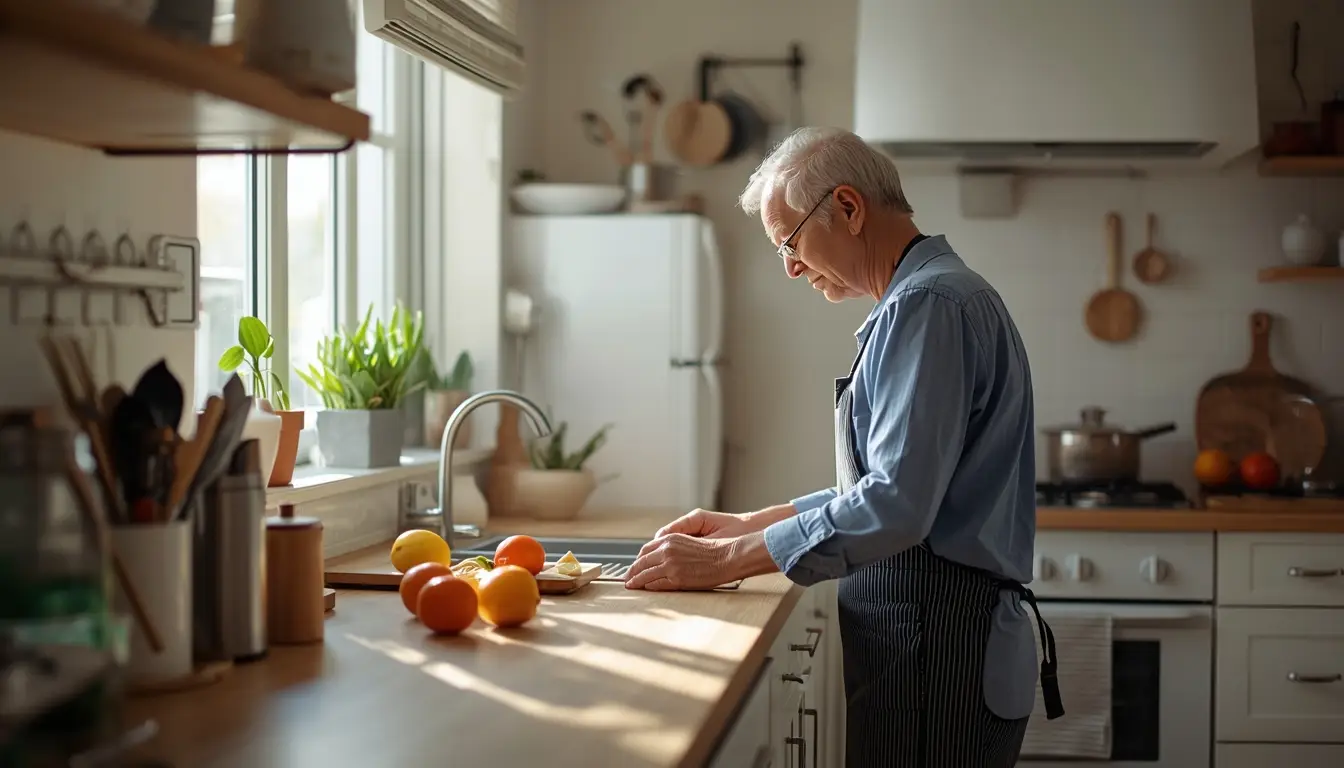
KITCHEN — CENTER OF ORDINARY GENIUS
A Lighter Way to Cook That Doesn’t Exhaust the Day
Cooking rarely becomes heavy because it is difficult. It becomes heavy because effort repeats in small, unnoticed ways.
Time spent standing without purpose. Preparation done again instead of once. Movements that feel harmless on their own, but quietly shorten how long cooking remains comfortable.
A lighter way to cook is not about speed or efficiency. It is about removing what drains energy, so cooking stays part of the day rather than the thing that ends it.
This page explores a lighter way to cook that reduces effort without changing what you make.
WHERE ENERGY SLIPS AWAY
Energy slips away between moments.
Standing while waiting. Repeating preparation. Lifting the same items again. Walking back for tools already used. Nothing breaks. The weight simply accumulates.
WHAT KEEPS COOKING LIGHT
Cooking stays light when effort does not repeat.
Preparation happens once. Movement stays contained. The kitchen responds without resistance. The work remains familiar. The load does not increase.
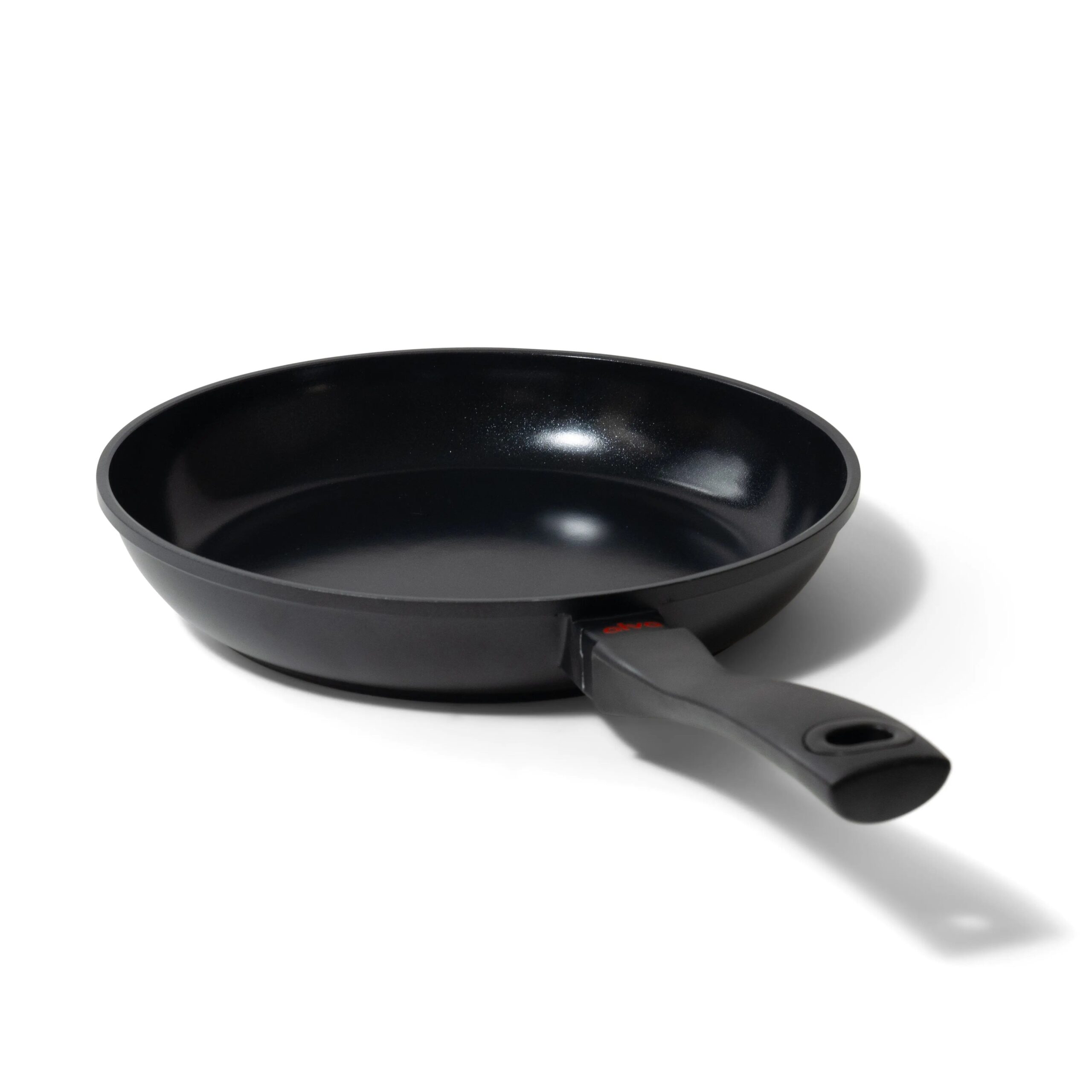
A Pan That Asks Less of the Hand
A manageable pan can reduce the lifting, wrist correction and repeated repositioning that quietly make a simple meal feel heavier than it should.
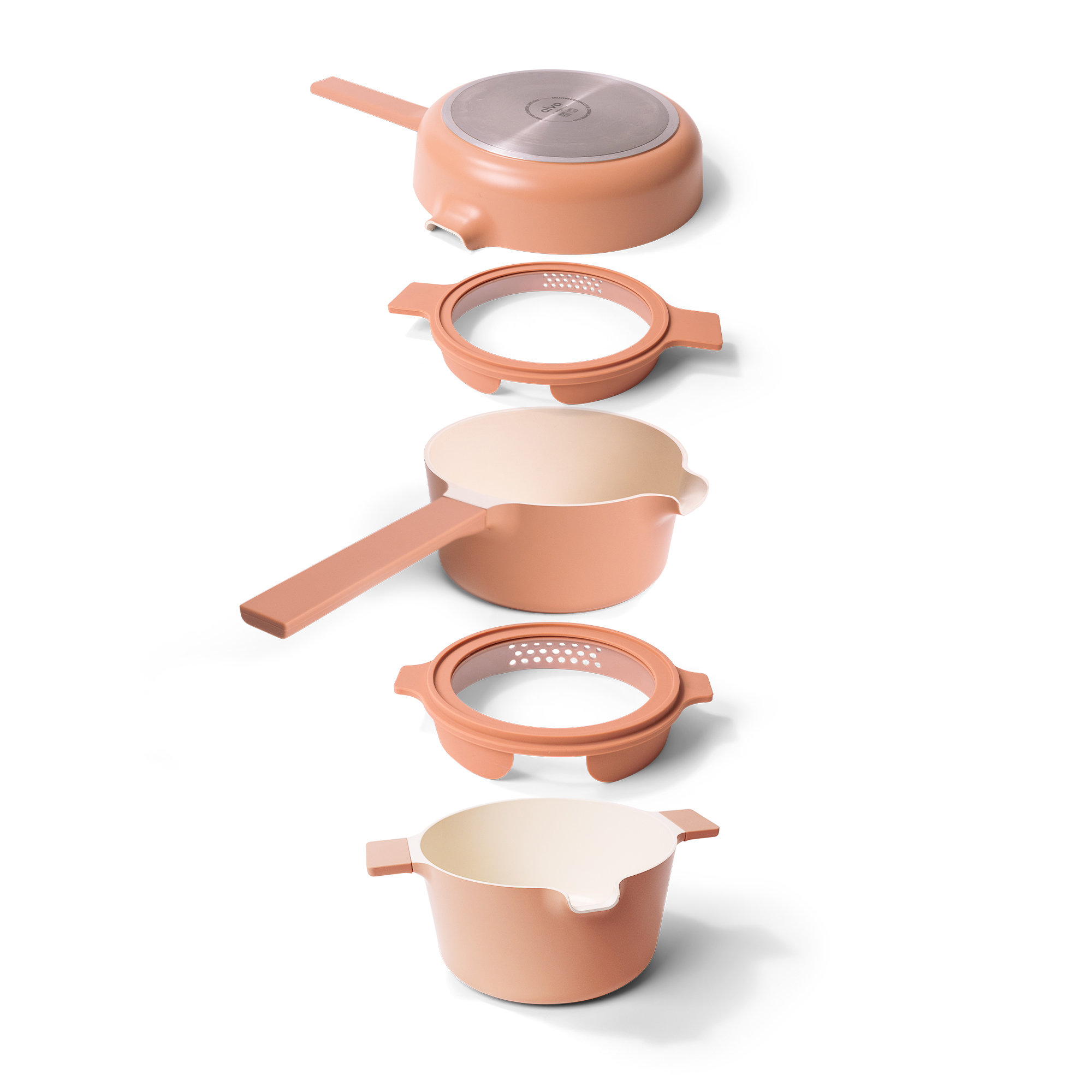
A Set That Stores Without Rehandling Everything
Stackable cookware earns its place when fewer awkward lifts and less cabinet reshuffling mean the cooking starts with less effort already spent.
Some links on this page may be affiliate links. If you choose through them, it helps support this project — without changing what you pay.
WHERE EFFORT QUIETLY DROPS
Small transitions change how long cooking remains comfortable.
Effort drops before cooking begins, between steps, and during waiting and timing. Small adjustments in these spaces change how long cooking remains comfortable.